
In a world where the canvas of beauty is endlessly reshaped, technology stands as both the artist and the brush. The fusion of artificial intelligence with the beauty industry has sparked a revolution, altering not only the way we perceive aesthetics but also how we engage with them. From personalized skincare regimens powered by data analysis to virtual try-ons that redefine the shopping experience, AI and tech are transcending traditional boundaries. This article delves into the transformative trends emerging at the intersection of beauty and technology, exploring how algorithms, apps, and innovative tools are empowering individuals to express their unique identities in novel ways. Join us as we navigate this evolving landscape and uncover the profound implications of these advancements on our everyday beauty routines.
Embracing Virtual Reality as a Beauty Tool
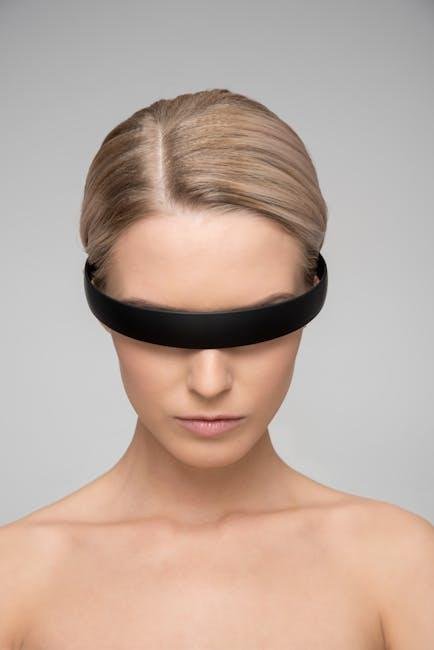
Virtual reality (VR) is revolutionizing the beauty industry by offering immersive experiences that enhance consumer engagement. Brands are leveraging this technology to create realistic simulations where users can try on makeup or experiment with hairstyles without the need for physical submission. By utilizing VR, beauty enthusiasts can explore a myriad of possibilities right from the comfort of their homes. Key advantages include:
- Real-time Feedback: Instant evaluation of looks boosts confidence in purchasing decisions.
- Endless Experimentation: Users can play with bold colors and styles that they might not otherwise consider.
- Sustainability: Reduces product waste generated from returns and unused items.
As this technology evolves, it continues to blend the digital and physical realms. Beauty brands are partnering with VR developers to create unique experiences, such as virtual salons and interactive tutorials. These experiences not only entertain but educate users about skincare regimes and makeup application techniques. A simple comparison of VR’s impact in beauty:
| Traditional methods | Virtual Reality Integration |
|---|---|
| Over-the-counter testing | Immersive product trials |
| Standardized tutorials | Personalized VR sessions |
| Physical product sampling | Virtual skin diagnostics |
The Rise of Personalized Skincare Through AI Innovations
In recent years, advancements in artificial intelligence technology have transformed the skincare landscape, allowing for a level of personalization previously unattainable. Smart algorithms analyze various data points, including individual skin types, environmental factors, and lifestyle habits, to create tailored skincare solutions.The result is a growing number of apps and platforms that empower users to take control of their skincare regimens. By utilizing skin analysis tools, customers can receive actionable insights into the health of their skin, leading to improved product recommendations that are uniquely suited to their specific needs.
Brands are now leveraging AI-driven data to refine their product offerings and communicate more effectively with their customers. Through innovative virtual consultation services, beauty enthusiasts can receive personalized advice from AI chatbots that consider user preferences and concerns. Moreover, the integration of AI in product growth has led to formulations that are not only effective but also enduring. A few key elements driving this trend include:
- Data-Driven Insights: The ability to gather and analyze vast amounts of consumer feedback.
- Real-Time Adaptation: Tailoring products based on changing skin conditions and needs.
- Enhanced User Experience: Engaging interfaces that make the skincare journey fun and informative.
Sustainability in Beauty: How Tech is Leading the way
The beauty industry is experiencing a transformative shift as technology integrates seamlessly with sustainability efforts. brands are increasingly turning to artificial intelligence and innovative tech solutions to reduce their environmental footprint without compromising on quality. As an example, AI algorithms can analyze vast amounts of data to optimize ingredient sourcing, ensuring that natural resources are used responsibly. Additionally, advancements such as 3D printing are revolutionizing packaging, allowing for reusable and recyclable designs that minimize waste. This collaboration between tech and sustainability not only enhances ethical practices but also caters to the growing consumer demand for environmentally conscious products.
Moreover, data-driven insights are empowering companies to adopt sustainable practices throughout their supply chains. With the help of machine learning and analytics, brands can identify energy-efficient processes and better monitor their resource consumption. Some key advancements include:
- Smart Formulations: Reducing harmful chemicals while maintaining product efficacy.
- Eco-Friendly Ingredients: Sourcing plant-based alternatives that nurture the planet.
- Consumer Behavior Analytics: Tailoring marketing strategies to promote sustainable choices.
By harnessing the power of technology, the beauty sector is not just keeping pace with sustainability but setting new benchmarks that define the future of responsible beauty.

Exploring the Impact of Social Media Algorithms on Beauty Standards
The integration of social media algorithms into our daily lives has profoundly altered the landscape of beauty standards, often idealizing specific aesthetics over diversity. These algorithms prioritize content that garners higher engagement, leading to a homogenization of beauty ideals, primarily influenced by the most popular posts. As users scroll through their feeds, they are continuously exposed to a narrow portrayal of beauty, typically characterized by:
- flawless skin – frequently enough enhanced through filters and editing tools.
- thinness – a prevalent ideal that is frequently showcased across platforms.
- Specific facial features – commonly defined traits that become the aspirational norm.
This cycle perpetuates unrealistic expectations and can lead to detrimental effects on self-esteem and body image among users. Interestingly, studies show that the impact of these algorithms extends beyond individual perception; they shape societal standards by favoring certain types of content. A closer analysis reveals that these influences may include:
| Trend Type | Description | Potential Impact |
|---|---|---|
| AI-generated Filters | Digital enhancements that alter appearance. | Foster unrealistic ideals. |
| Influencer Partnerships | Brand collaborations that showcase specific looks. | Set trends that may exclude the majority. |
| User Engagement Metrics | Content rewarded based on likes and shares. | Encourage a cycle of conformity. |
To Wrap It Up
As we step into a future where technology and beauty intertwine more than ever before, it’s clear that the landscape of aesthetics is undergoing a profound change. From personalized skincare regimens powered by AI to augmented reality apps that allow us to experiment with looks before committing, the beauty industry is embracing innovation in ways we once only dreamed about. However, as these trends evolve, it’s essential to navigate this new terrain with awareness, recognizing both the potential benefits and the ethical considerations at play.
in this new age of beauty, where algorithms and artistry converge, we are challenged to redefine what beauty means to us as individuals and as a collective.The journey ahead offers exciting possibilities, allowing us to enhance our unique features while fostering inclusivity and diversity. As we continue to explore the intersection of tech and beauty, let us remain open-minded and thoughtful, embracing the changes while celebrating our authentic selves. The future looks bright, and the canvas is yours to paint.